
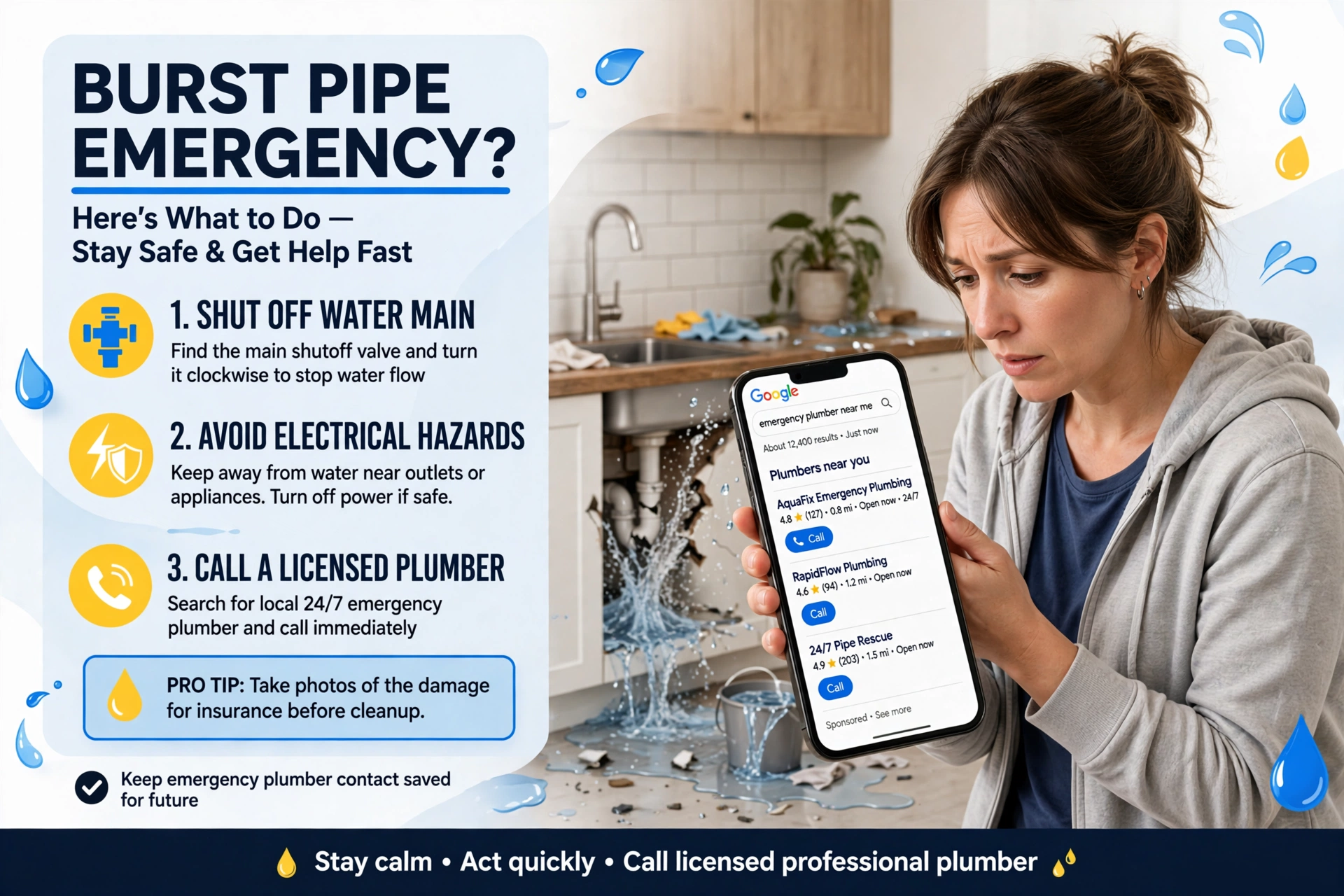
It is 2 AM. A pipe bursts in someone’s kitchen. They grab their phone and search “emergency plumber near me.” Three businesses appear. One gets the call, the job, and the invoice. The other plumbers in town never knew the customer existed.
Now ask yourself: could that customer have been yours? If your business serves people in a specific area, the answer is yes, and that is exactly who needs local SEO. But not every business needs it equally. Let us sort out who wins big, who can skip it, and how to tell which group you are in.
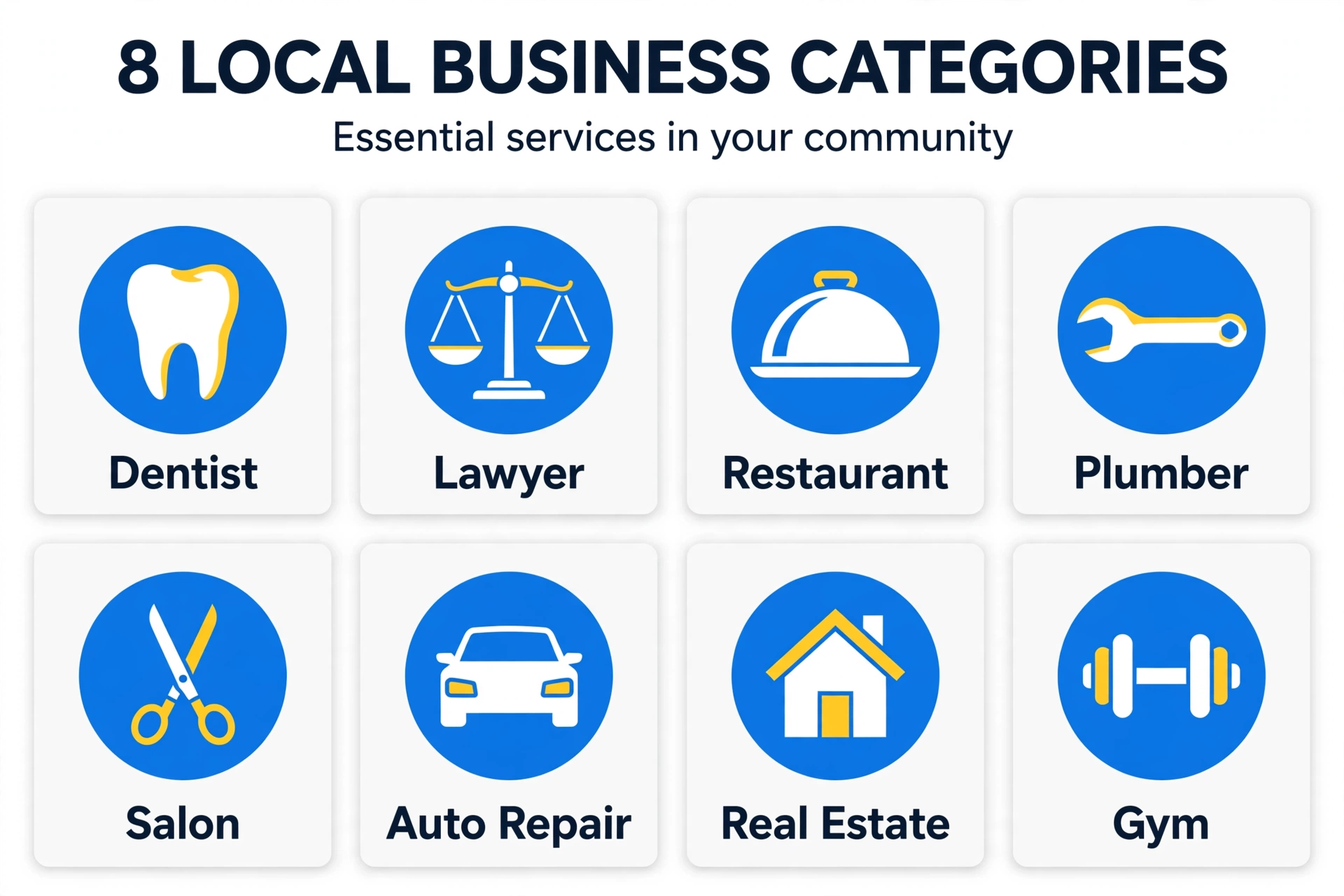
The short answer: Any business with customers in a defined geographic area needs local SEO: restaurants, clinics, law firms, home services, salons, real estate, and local retail. It matters most where buyers decide fast and choose between nearby options. Purely online businesses with no local footprint need it far less.
What Is the Simple Test for Needing Local SEO?
Here is the one-question test: would a customer ever search for what you do with a place attached? “Near me,” your city, your neighborhood. If yes, you need local SEO. If your customers find you by typing your city or “near me” into Google, every day you are invisible there is a day competitors collect your revenue.
What if most of my customers come from referrals? Referrals still Google you before calling. They check your reviews, your hours, your photos. Local SEO controls what they find. A weak presence does not just lose search traffic; it leaks referral traffic too.
Which Businesses Get the Highest ROI From Local SEO?
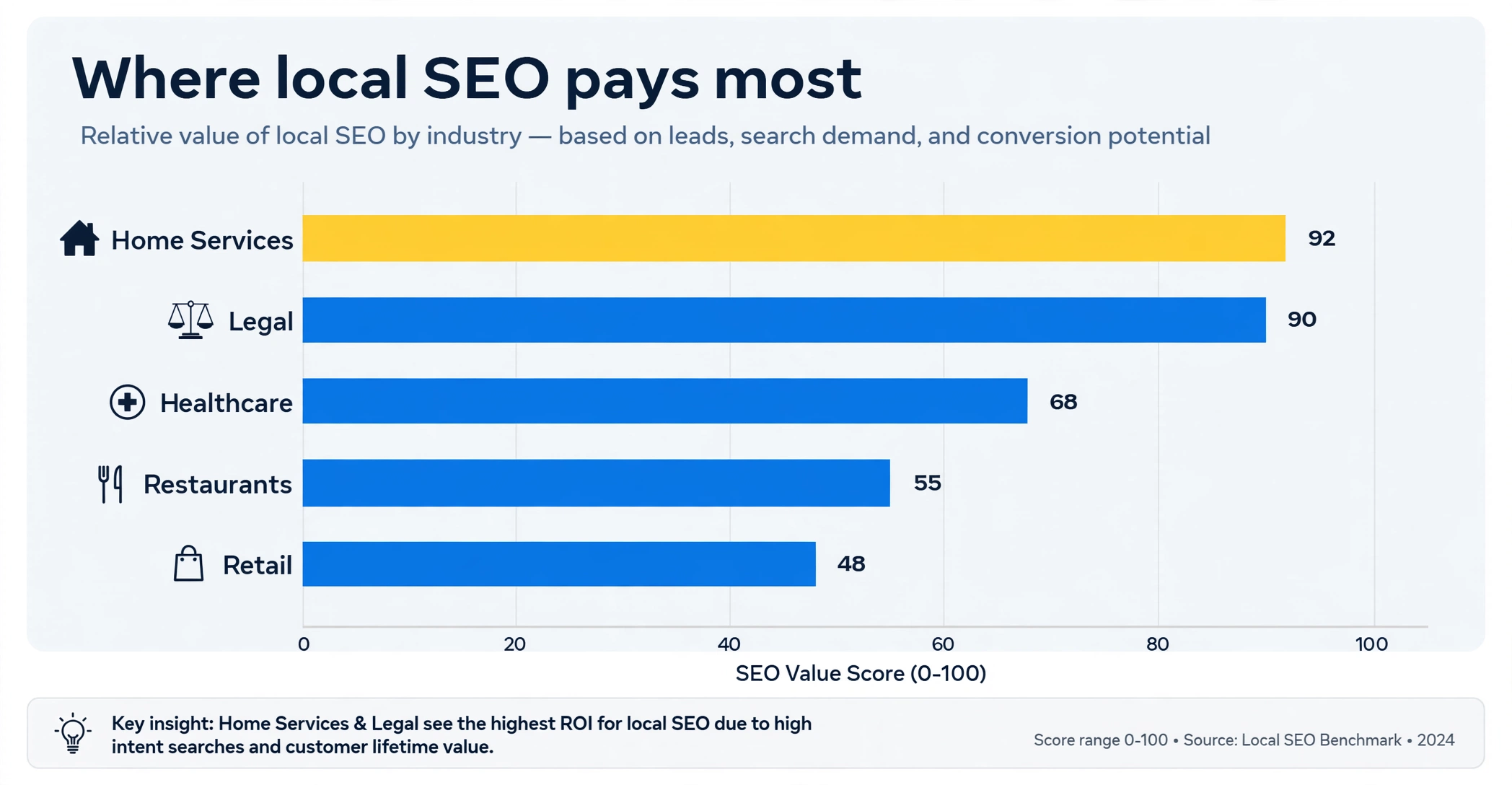
Almost any location-based business benefits, but four categories consistently see the strongest returns, because their customers decide fast and each customer is valuable:
Home services: plumbers, HVAC, electricians, roofers
Demand is urgent and unplanned. Nobody schedules a burst pipe. These searches carry the highest buyer intent on the internet, and the Map Pack decides the winner in seconds. One emergency job can pay for months of optimization.
Legal practices
One case can justify years of investment, which is why firms fight so hard for terms like “personal injury lawyer near me.” Local SEO is brutally competitive here, but the math works: a single signed client dwarfs the cost.
Healthcare: dentists, clinics, specialists
Patients choose by proximity plus trust. Insurance filters and location narrow the field fast, so the practices with complete profiles and strong reviews capture the appointments. Review management matters enormously in this category.
Restaurants and hospitality
Diners decide by photos, ratings, and distance. A restaurant with 800 reviews and fresh food photos will beat a better restaurant with 40 reviews every single time. In hospitality, your Google Business Profile is your storefront.
Do Home Service Businesses Need Local SEO?
More than anyone. Home service searches are the purest form of buyer intent: the customer has a problem right now and money to fix it. Google knows this, which is why these categories get prominent Map Packs, call buttons, and booking features.
The playbook is specific: define honest service areas (never fake locations), build pages for each core service, keep hours accurate including emergency availability, and generate reviews after every job. Speed matters too. Most emergency searches happen on phones, so a slow mobile site bleeds the exact customers local SEO worked to win. Our local SEO services handle this full stack for trades businesses.
What About Doctors, Dentists, and Lawyers?
Yes, with trust doing the heavy lifting. Nobody picks a dentist from a paid ad alone; they read reviews, check photos, and compare ratings. For professionals, local SEO is reputation engineering: accurate profiles, thoughtful review responses, and content that answers real patient or client questions.
Lawyers need one more layer: practice-area pages for each location served. “Divorce lawyer in Austin” and “personal injury lawyer in Austin” are different searches with different intent, and Google treats them that way. One generic “services” page will not cut it.
Do Restaurants and Cafes Need Local SEO?
Desperately. Restaurant discovery is almost entirely local and visual. Menus, photos, hours, and review velocity decide who gets the table. Keep your menu current on your profile, upload real food photos regularly (not stock), and respond to reviews, especially the critical ones. A thoughtful reply to a bad review convinces more future diners than ten five-star ratings.
What about delivery apps? They matter, but Google is still where the decision starts. Most diners Google the restaurant before ordering anywhere, and your profile is what they judge.
Do Multi-Location Businesses Need It More?
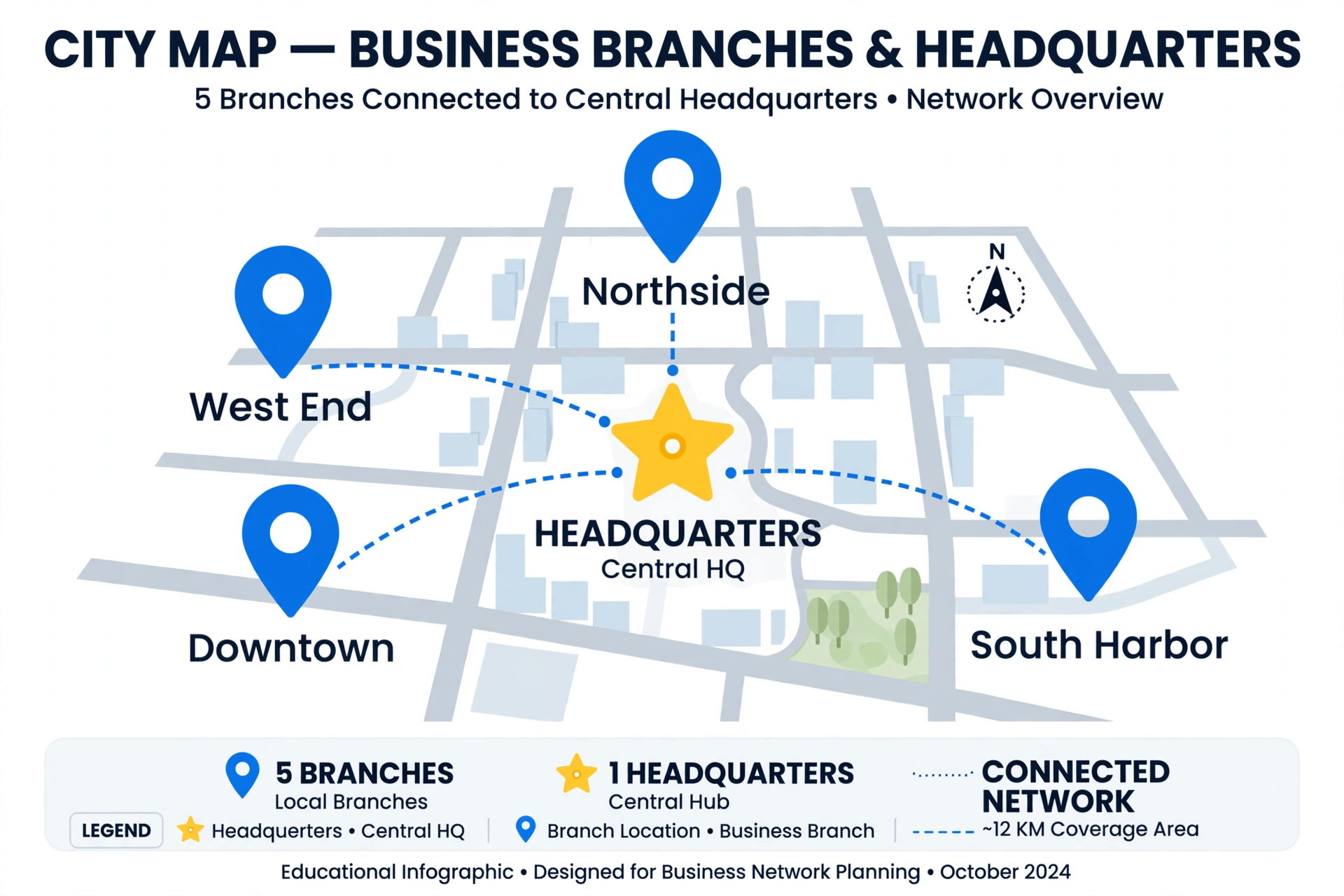
They need it differently, and it is harder. Every location needs its own verified profile, its own location page, and its own review stream. A dental group with six offices cannot rank all six from one page. Brand consistency has to hold across every listing while each location builds its own local signals.
This is also where mistakes multiply: duplicate listings, inconsistent phone numbers, and shared review links across locations. Multi-location local SEO is a discipline of its own, and it is where professional management pays for itself fastest.
Who Does NOT Need Local SEO?
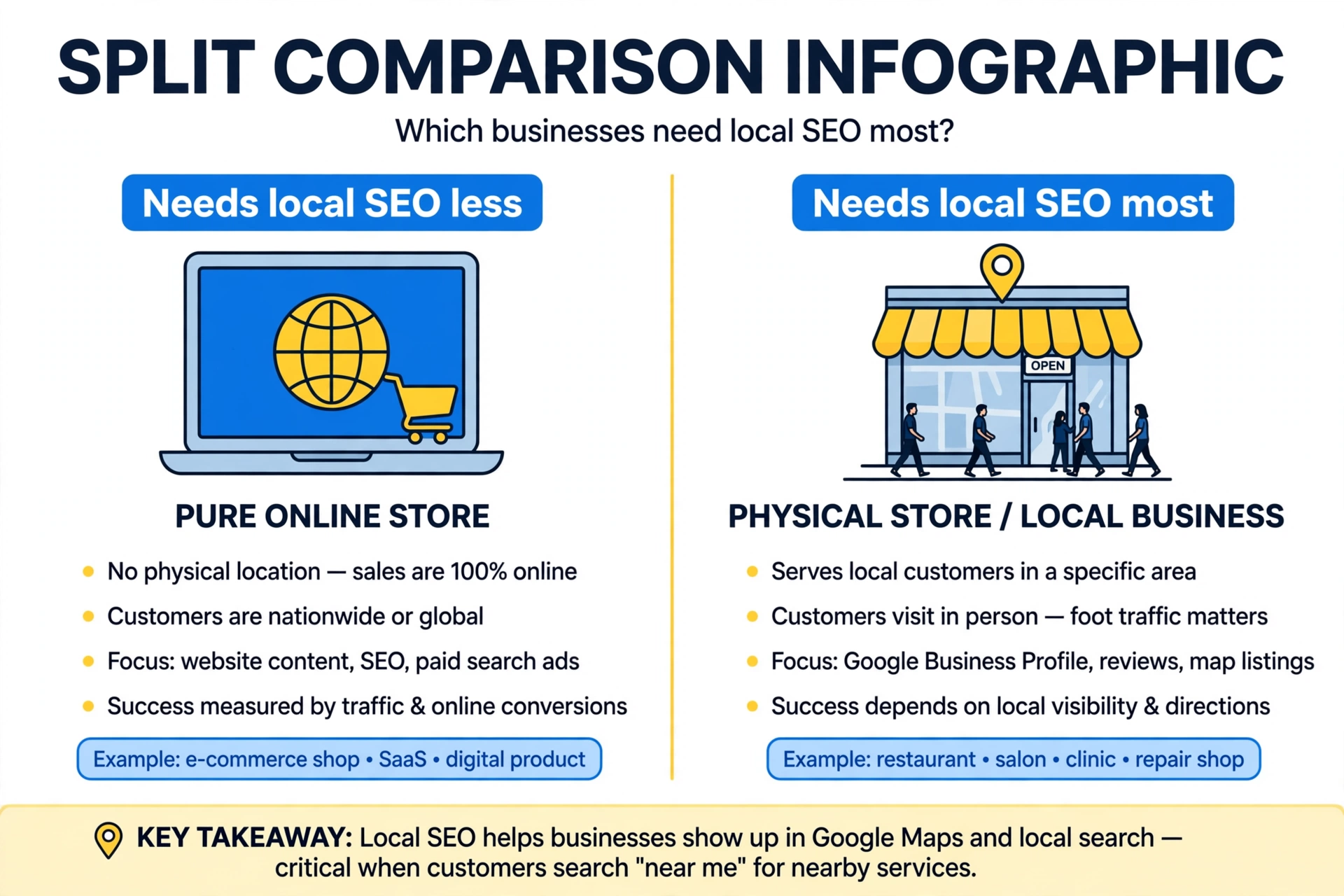
Honest answer: businesses with no geographic footprint. A pure online store shipping nationwide, a SaaS product, a blog monetized by ads, a freelancer serving clients globally over video calls. For them, traditional SEO and content marketing matter far more.
The gray zone is bigger than people think. An ecommerce brand with physical stores needs both: local SEO per location plus national SEO for the store. A consultant who works locally but could work remotely should still do local SEO, because local clients pay faster and haggle less. When in doubt, run the simple test from the top of this article.
How Do You Know Local SEO Is Working for You?
Do not measure it with vanity traffic. Measure what pays: phone calls from your profile, direction requests, bookings, and Map Pack rankings for your money keywords. Track review velocity and rating trend too, because they predict future rankings.
Give it a fair window. Profile fixes can move the needle in weeks, but meaningful Map Pack movement usually takes three to six months of steady work. If calls are climbing and your cost per acquired customer is falling, it is working. Local SEO Rankers reports on exactly these numbers, not feel-good traffic charts.
For the official word, read Google’s explanation of local ranking factors and Search Engine Journal’s local SEO guide.
So, Do You Need Local SEO?
Who needs local SEO? Anyone whose customers are nearby and deciding fast. Home services, legal, healthcare, restaurants, and every local shop in between. The test is simple, the payoff is direct, and the cost of invisibility is paid daily to competitors. If your customers search with a place in mind, your business should be what they find.
Not sure if local SEO will pay for your business? Contact Local SEO Rankers for a free audit. We will assess your market, your competitors, and tell you honestly what local SEO can do for you.
Still Have Questions About Who Needs Local SEO?
Does every small business need local SEO?
Nearly every small business with local customers does. If people can visit you, call you locally, or hire you in a service area, local SEO directly drives revenue. Purely online businesses are the main exception.
Which industry benefits most from local SEO?
Home services, legal, healthcare, and restaurants typically see the highest ROI because their customers decide quickly and each customer carries high value. Urgency plus value is the winning combination.
Can a new business do local SEO?
Yes, and new businesses should start immediately. Claiming your profile, getting your first reviews, and publishing accurate information costs nothing and builds the foundation every future ranking stands on.
Do I need local SEO if I already get referrals?
Yes. Referrals Google you before calling. Your reviews, photos, and hours shape their decision. Local SEO does not just win search traffic; it protects your referral traffic too.
Is local SEO worth it for a one-person business?
Often more so than for big companies. A solo plumber or consultant can outrank larger competitors locally with a well-managed profile and steady reviews, because Google rewards relevance and proximity over budget.
How is local SEO different for multiple locations?
Each location needs its own verified Google Business Profile, dedicated location page, and separate review stream. Consistency across listings is critical, and the complexity is why multi-location brands often use professional management.