The top spot on Google gets the lion’s share of clicks. Everyone wants it. Few understand what it actually takes, and plenty of agencies will happily sell you a fantasy version.
This guide gives you the honest version: what “top of Google” really means in 2026, the four pillars that decide it, the realistic timeline, and the traps to avoid. No shortcuts, no magic, just the formula that works.
The short answer: To reach the top of Google: match search intent better than every competitor, build topical authority with deep helpful content, earn quality backlinks, fix technical issues (speed, mobile, indexing), and stay consistent for 4 to 12 months. Nobody can guarantee position one, but this formula wins it more than anything else.
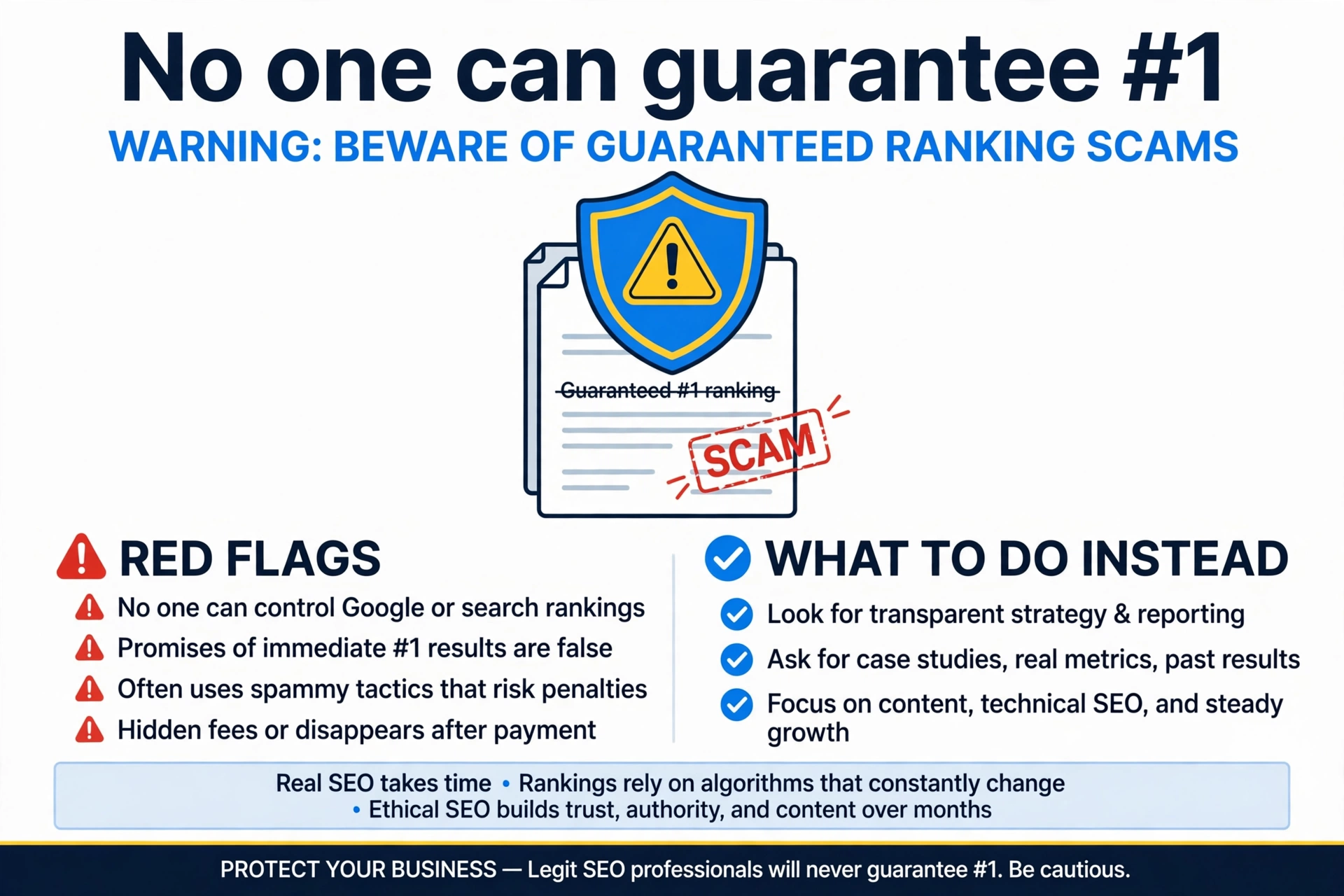
Can Anyone Really Guarantee the Top Spot?
No. And anyone who promises it is either lying or planning to target keywords nobody searches. Google’s own guidelines warn against SEOs who guarantee rankings. Rankings depend on hundreds of factors, many outside any agency’s control: competitor moves, algorithm updates, and the searcher’s location and history.
What a good SEO partner can promise is process: proper research, quality content, legitimate link building, and transparent reporting. If someone guarantees position one, ask which keyword. If the answer is vague, walk away.
What Does “Top of Google” Actually Mean?
There is no single “top” anymore. Depending on the search, the most valuable position might be:
- Position 1 organic: the classic top result, still the click magnet for most queries.
- The Map Pack: for local searches, these three business listings sit above organic results and capture most local clicks.
- Featured snippets: the answer box Google pulls from a page, position zero, with huge visibility.
- AI Overviews: Google’s AI-generated answers now intercept many informational queries. Being cited there is the new top spot.
Which one should I target? Match the SERP. Search your keyword and see what dominates. A local query demands Map Pack optimization; an informational query demands snippet-friendly structure. Chasing position one when the Map Pack eats all the clicks is fighting the wrong battle.
What Are the 4 Pillars of Ranking at the Top?
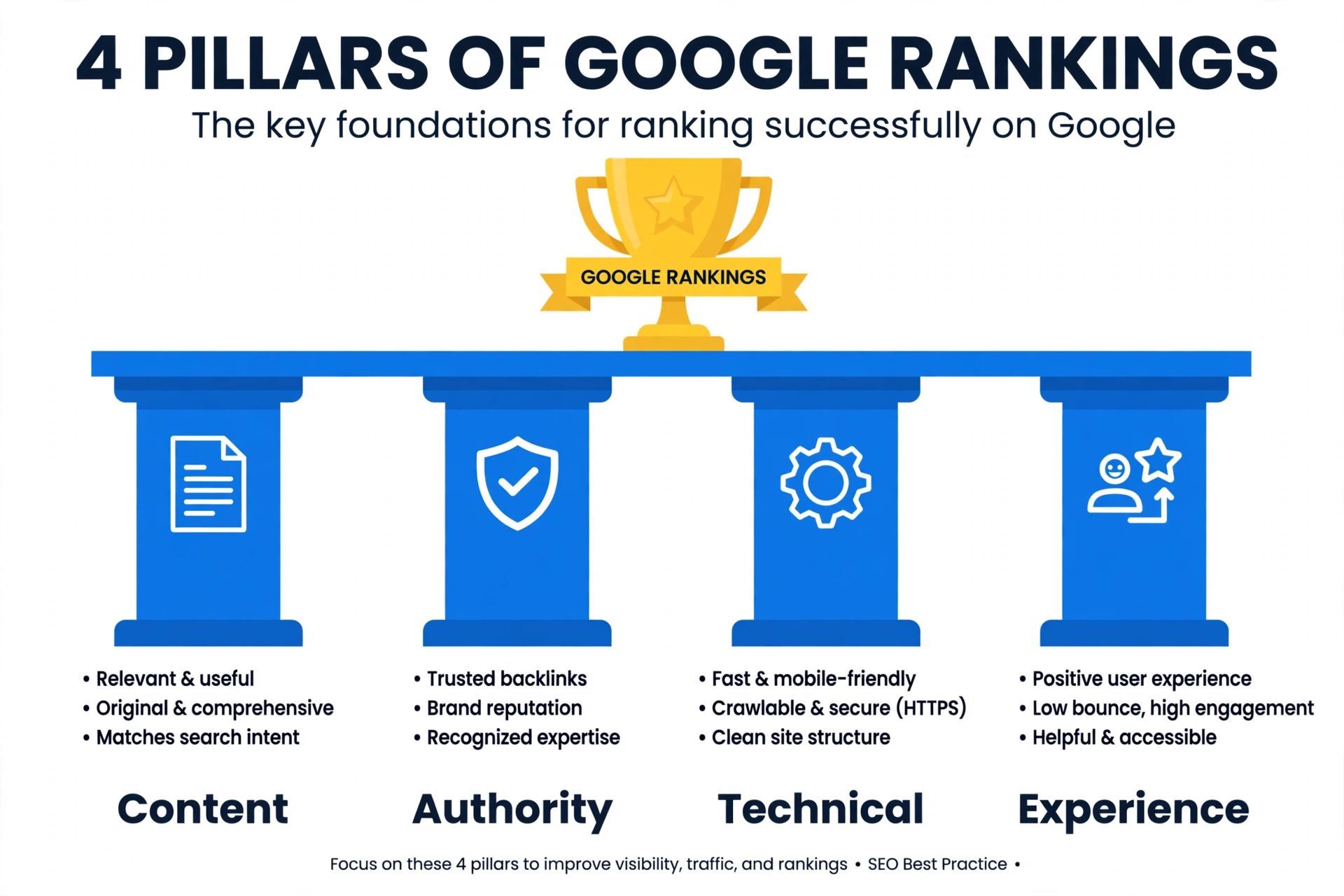
Every top-ranking page stands on the same four pillars. Weakness in any one caps how high you can climb:
1. Content that matches intent
Google’s highest-impact factor: does your page give the searcher exactly what they wanted, in the format they expected? Relevance beats everything.
2. Authority and trust
Backlinks one of Google’s top three ranking signals, and E-E-A-T (experience, expertise, authoritativeness, trustworthiness) frames how Google judges quality, especially for advice that affects money or health.
3. Technical health
If Google cannot crawl your page, cannot load it fast on a phone, or finds it insecure, nothing else matters. Technical SEO is the foundation the other pillars stand on.
4. User experience signals
Click-through rates, engagement, and how users interact with your result feed back into rankings. Sharp titles and genuinely satisfying content complete the loop.
How Do You Match Search Intent?
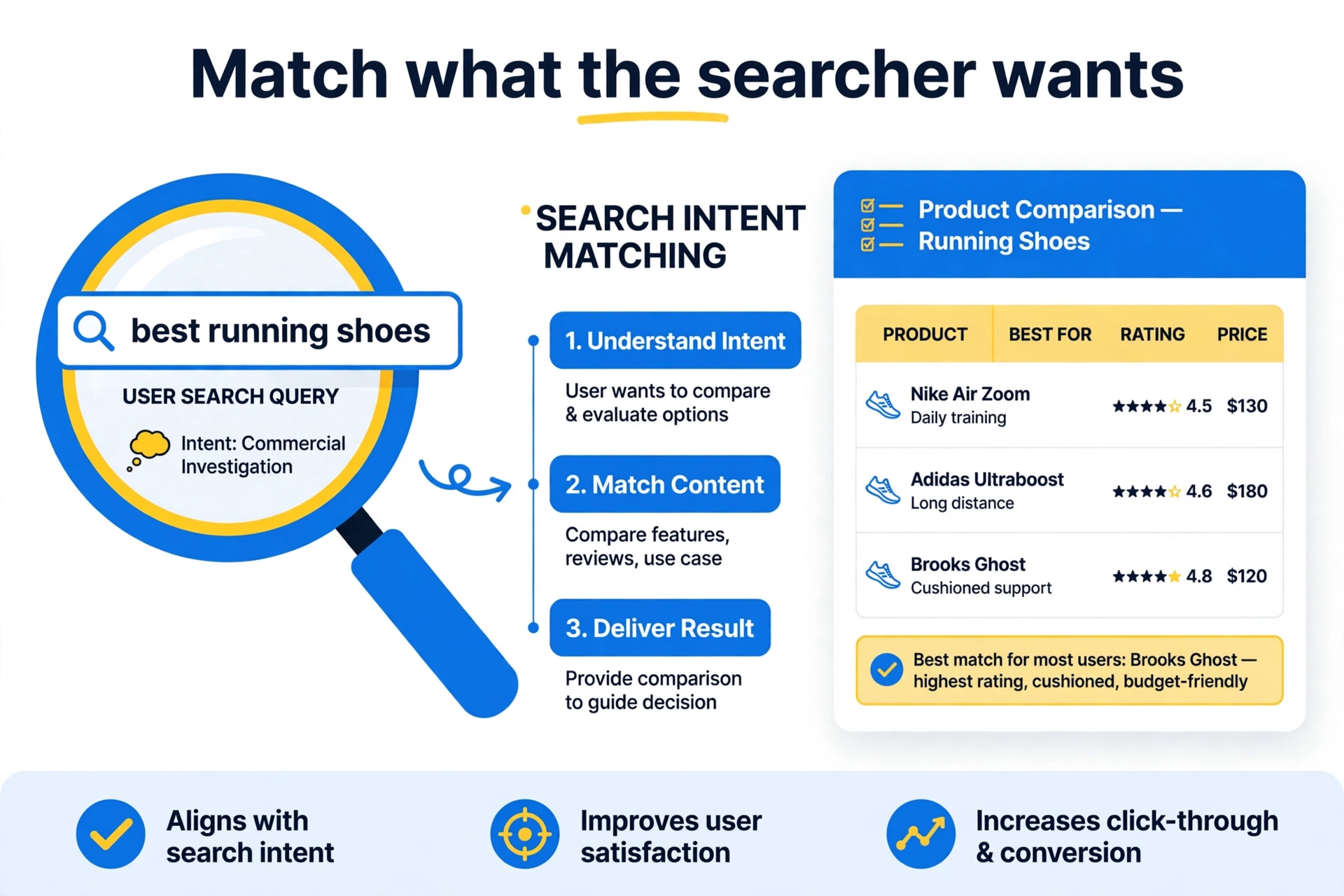
Search intent is the “why” behind the query, and mismatching it is the most common reason good content does not rank. A search for “buy running shoes” wants product pages, not a 3,000-word history of footwear. A search for “how to fix a leaky faucet” wants steps, not a plumber’s homepage.
To match intent: search your keyword, study the top five results, and mirror the dominant format. If they are all listicles, write a better listicle. If they are service pages, build a better service page. Then beat them on depth: answer the full set of related questions, add original examples and data, and structure it so both readers and AI systems can extract answers easily.
Build topical authority while you are at it. Google treats sites with deep, interlinked coverage of a subject as more credible than sites with one strong page. Cover the topic cluster, not just the keyword.
How Do You Build the Authority Google Trusts?
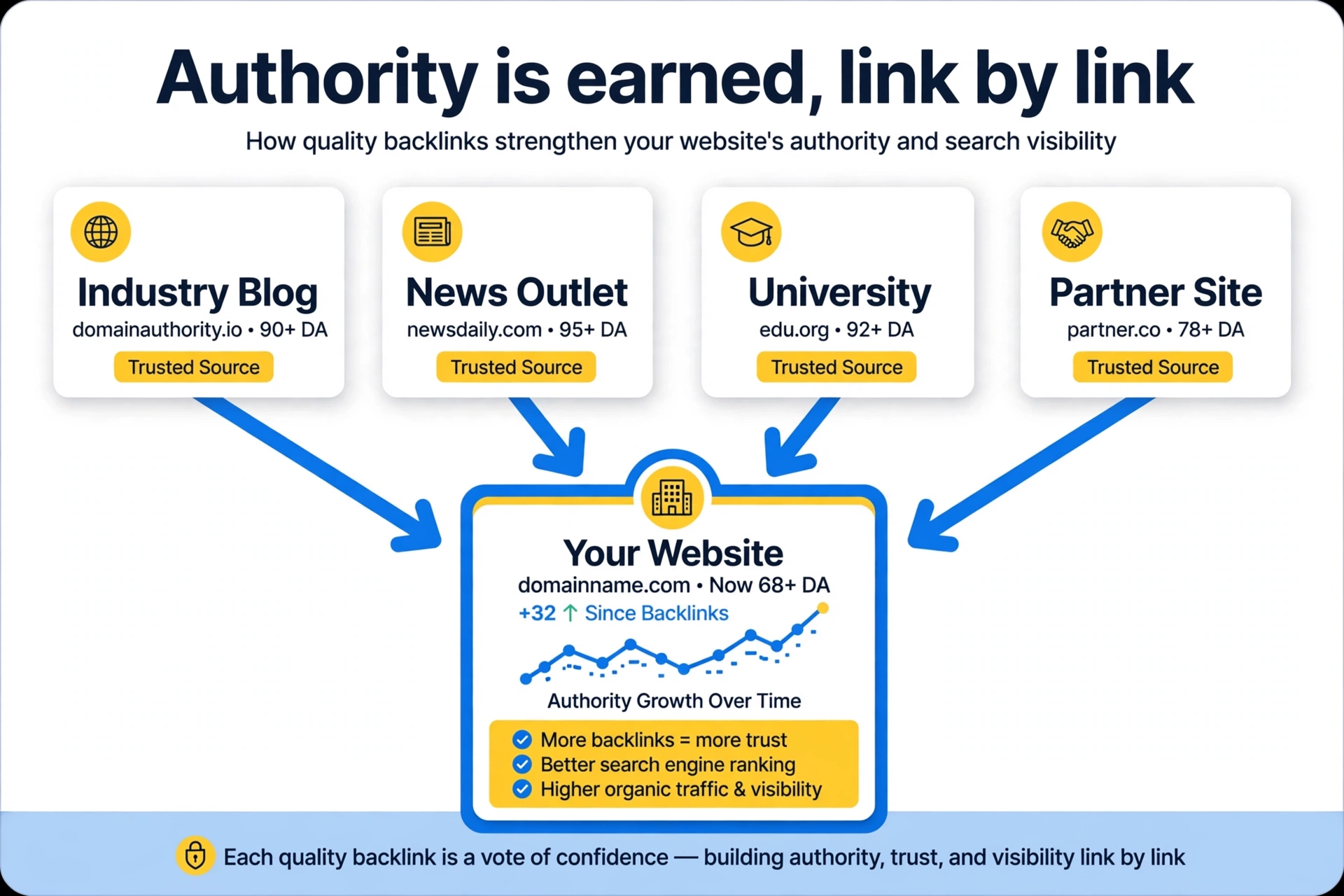
Authority comes from other trusted sites vouching for you through links. Google has confirmed links remain a top-three ranking signal. What changed is the standard: topically relevant, editorially placed links from sites with real traffic beat bulk directory links every time.
How small businesses earn them: publish genuinely useful local content (guides, data, original research), get listed in reputable industry directories, earn press from local media, sponsor community events that link back, and build relationships with complementary local businesses. One strong local link often beats ten weak generic ones.
Should I buy backlinks? No. Paid link schemes violate Google’s policies and the penalties can erase years of progress. Earned links compound; bought links expire or backfire.
What Technical Fixes Matter Most?
Technical SEO is unglamorous and non-negotiable. Run through this checklist:
- Indexation: every important page must be crawlable and indexed. Check Google Search Console for coverage errors, rogue noindex tags, and sitemap issues.
- Mobile-first: Google indexes your mobile version. Test every page on a phone, not just a desktop.
- Core Web Vitals: aim for Largest Contentful Paint under 2.5 seconds, Interaction to Next Paint under 200 milliseconds, and Cumulative Layout Shift under 0.1. These are tie-breakers when content is close.
- HTTPS: non-negotiable in 2026. Unsecured pages barely rank.
- Structured data: Article, FAQ, and LocalBusiness schema help Google parse your pages and unlock rich results.
- Clean site structure: logical URLs, internal links between related pages, no orphan pages.
For local businesses, add the local technical layer: consistent NAP in footers, embedded maps, location pages, and a complete Google Business Profile. Our local SEO services cover this full technical foundation.
How Long Does It Really Take?
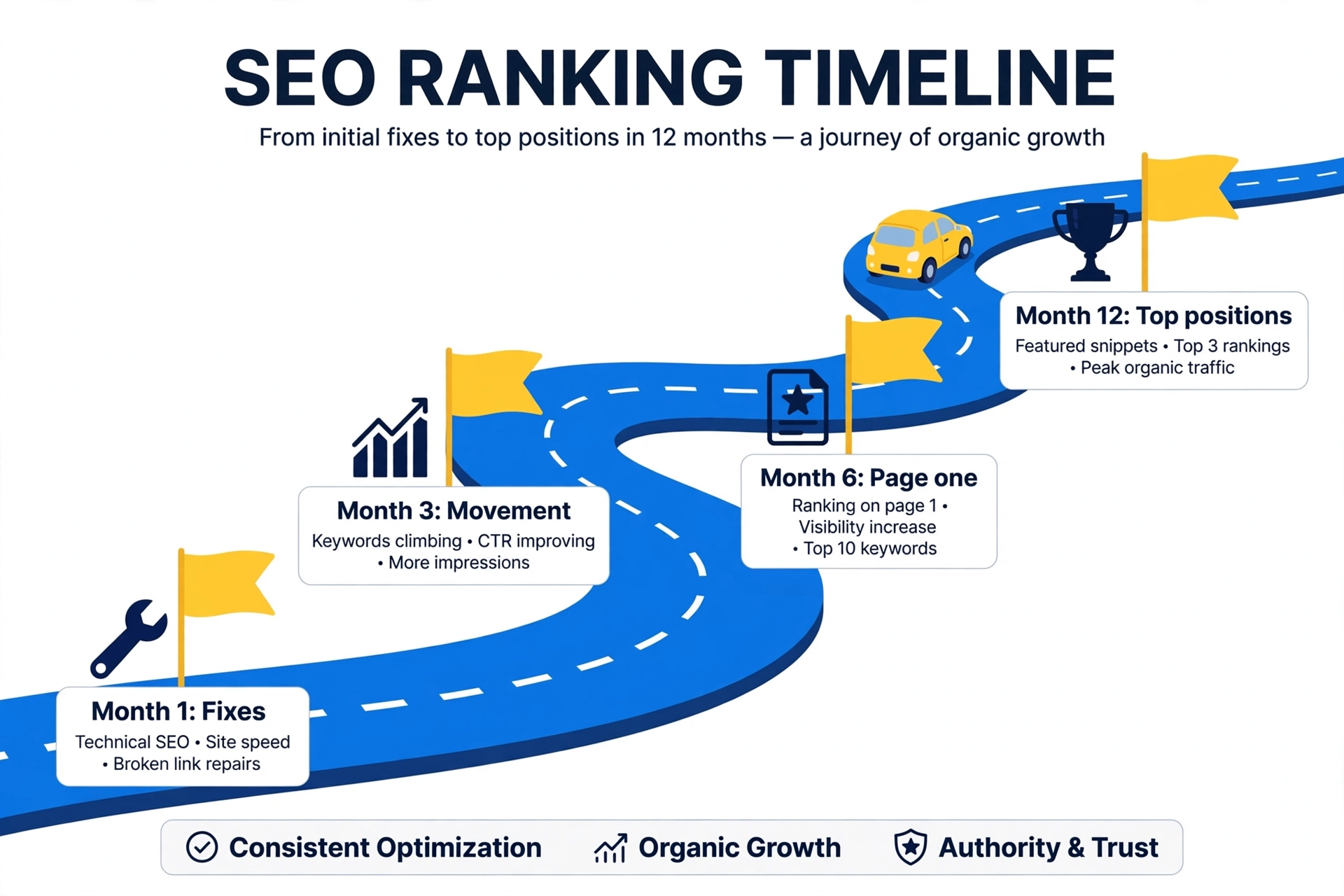
The honest timeline: pages stuck on page two can reach page one in 60 to 90 days with focused fixes and modest link building. Brand-new pages targeting competitive keywords typically need 4 to 6 months to hold stable top-10 positions. New domains in competitive industries should budget 9 to 12 months.
Anyone promising faster is either targeting zero-competition keywords or selling something Google will eventually punish. SEO compounds like interest: slow at first, then accelerating. The businesses at the top in every market are the ones that started a year ago and never stopped.
Track progress with the metrics that matter: impressions and average position in Search Console, profile actions for local businesses, and actual calls and bookings. Rankings are a means to revenue, not the goal itself.
The foundations never change: Google’s SEO Starter Guide and Google’s helpful content guidance.
What Is Your First Move Toward the Top?
Getting to the top of Google is a formula, not a lottery: match intent better than competitors, build real authority, keep the technical foundation solid, and give it time. Start with the pillar you are weakest on and work steadily. Local SEO Rankers has guided businesses through exactly this climb.
Want a clear path to the top for your market? Contact Local SEO Rankers for a free audit. We will analyze your rankings, your competitors, and hand you a step-by-step plan.
Still Have Questions About Ranking #1 on Google?
How long does it take to reach the top of Google?
Typically 4 to 12 months depending on competition, your site’s authority, and keyword difficulty. Existing pages on page two can move faster, often within 60 to 90 days of focused work.
Do backlinks still matter for Google rankings?
Yes. Google confirms links remain one of its top three ranking signals. Quality matters far more than quantity: relevant, editorial links from real sites outperform bulk low-quality links.
Can I rank number one without backlinks?
For low-competition keywords, yes, great content alone can win. For competitive terms, backlinks are nearly always required. Content gets you in the game; authority wins it.
Does website speed affect Google rankings?
Yes. Core Web Vitals are confirmed ranking signals and act as tie-breakers when content quality is close. Aim for fast loading and smooth interaction, especially on mobile.
Why is my website not ranking despite good content?
The usual culprits: technical crawl issues blocking indexation, mismatched search intent (wrong page format for the query), thin topical authority, or too few backlinks. Audit in that order.
Should I hire an SEO agency or do it myself?
DIY works for the fundamentals in low-competition markets. Competitive markets, multi-location businesses, and technical debt are where professional help pays for itself. Either way, avoid anyone guaranteeing rankings.